Brainwaves International School: Providing Best Pre-Primary Education in Hapur
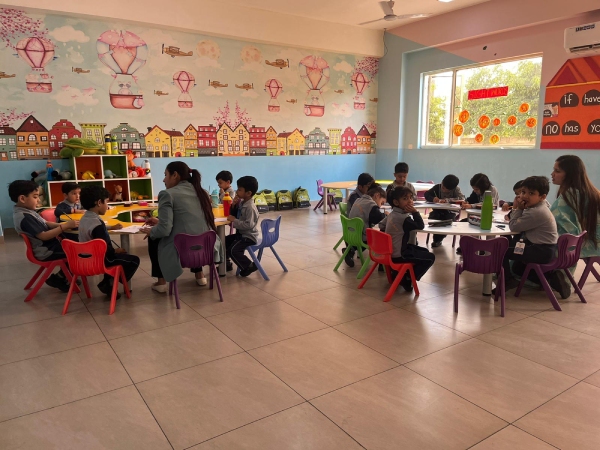
Our early years program focuses on play-based learning, ensuring that children develop a strong foundation in their cognitive, social, and motor skills while having fun.
Key Highlights:
- Play-Based Learning: Engaging activities like storytelling, music, art, and movement-based learning enhance creativity and imagination
- Hands-On Exploration: Sensory play, puzzles, and interactive tasks develop problem-solving abilities
- Cognitive & Social Development: Focus on communication skills, teamwork, and emotional intelligence
- Smart Classrooms: AI-based interactive digital lessons help students engage with concepts
- Phonics-Based Language Learning: Strong emphasis on early reading, writing, and speaking skills
- Numeracy Skills: Fun math activities introduce numbers, patterns, and logic
Through child-centric, experiential learning, we lay the foundation for lifelong curiosity and learning.
FAQ
Pre-schools and daycare centres serve different functions in the early childhood landscape. Pre-schools are designed to provide structured early education experiences for young children, typically focusing on preparing them for formal schooling. They offer age-appropriate curriculum, and guided learning activities, and often have trained educators who focus on fostering cognitive, social, and emotional development.
On the other hand, daycare centres primarily cater to the needs of working parents by providing a safe and supervised environment for children during the day. While some daycare centres may offer basic educational activities, their primary emphasis is on childcare and ensuring the well-being of children while their parents are at work.
Pre-schools typically do not administer formal tests or exams to young children. The focus of preschool education is on creating a nurturing and engaging environment that promotes learning through play, exploration, and social interactions. The emphasis is on fostering curiosity, creativity, and foundational skills rather than evaluating children through traditional testing methods.
Instead of tests, pre-schools often use informal assessments and observations to monitor children’s progress and development. Educators observe children’s participation, engagement, and skill acquisition during various activities to understand their strengths and areas for growth. This allows teachers to tailor the curriculum to meet individual needs and provide appropriate support or enrichment as required.